
How to Choose Between Free and Paid Online Courses
Online learning gives people more choice than ever before. Some courses are free, some are paid, and many promise to help you build new skills. But choosing between a free course and a paid course is not always simple. The best option depends on your goal, your budget, and how serious you are about using the skill in real life.
Free online courses can be a good starting point. They allow you to explore a topic without financial risk. If you are not sure whether you are interested in a subject, a free course can help you test it. For example, if you are curious about digital marketing, design, AI, or business skills, a free beginner course can show you the basics before you decide whether to go deeper.
Free courses are also useful for learning small, specific things. If you only need to understand one tool, one concept, or one simple process, free content may be enough. Tutorials, short lessons, and free guides can help you solve immediate problems quickly.
However, free learning has limits. Many free courses are not fully structured. They may give useful information, but they do not always guide you step by step from beginner level to practical use. Some free resources are also incomplete, outdated, or created mainly to attract attention. This does not mean they are bad, but it means you need to check whether the course actually supports your learning goal.
Paid online courses are usually better when you want a clearer learning path. A good paid course should save you time by organizing the subject in a logical order. Instead of searching through random videos or articles, you follow a planned structure. This can be especially helpful for adults who are busy and do not want to waste time guessing what to learn next.
Paid courses may also include exercises, quizzes, projects, downloadable materials, certificates, or support. These features can help you stay motivated and turn information into practical skill. A certificate alone is not enough to prove ability, but it can show commitment and give you something useful to add to your learning record.
The most important question is not whether a course is free or paid. The real question is whether it helps you reach your goal. Before choosing any course, ask yourself what you want to achieve. Do you want to explore a new topic? Improve your current job skills? Build a portfolio? Change career direction? Start a small business? The clearer your goal is, the easier it is to choose the right course.
You should also check the course content before starting. Look at the lesson structure, difficulty level, practical exercises, and expected outcome. A good course should explain who it is for and what you will be able to do after completing it.
Free courses are good for exploration. Paid courses are often better for structured progress. Both can be useful if you choose carefully. The best learning path may even combine both: use free resources to explore, then choose a paid course when you are ready to learn seriously and apply the skill.
Online learning works best when it is intentional. Do not choose a course only because it is free, cheap, popular, or heavily advertised. Choose the one that fits your goal, your current level, and your next step.
HTML & CSS for Beginners
Learn how to build modern websites from the ground up with HTML & CSS for Beginners. This course is designed for…
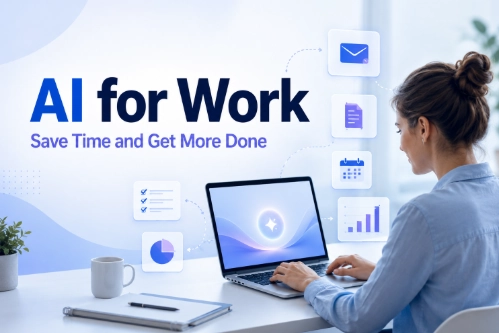
AI for Work: Save Time and Get More Done
A Beginner Course for Everyday Productivity Practical AI Skills for Emails, Documents, Research, Meetings, Spreadsheets, and Presentations AI is becoming a practical…
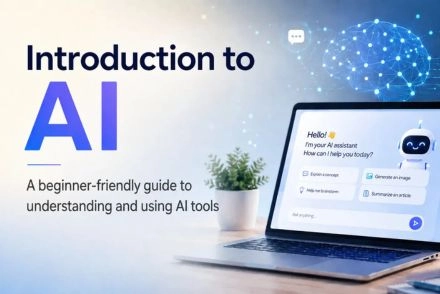
Introduction to AI
Introduction to AI is a beginner-friendly course that explains what Artificial Intelligence is, how modern AI tools work, and how…

UX/UI for Beginners
This course is a complete, practical introduction to UX and UI design, guiding you from basic concepts to real-world application. You…